
Blog

Are you feeling the unexpected twists and turns around or past the age of 40? Mood swings, anxiety, falling body image, hot flashes, and sleepless nights might be your new uninvited guests. Perimenopause brings changes that can affect your daily life and well-being. Let me help you decide on what might be the best vitamins for perimenopause in your case, and according to what is your current situation.
Here’s something that could help: a proper intake of key vitamins, minerals, or fatty acids might just be what you need to navigate these changes more smoothly.
Interestingly, around 90 percent of women do not get enough calcium during this crucial time, which is vital for preventing bone loss. Our article dives deep into essential vitamins like D, B-complex, magnesium, omega-3 fatty acids, natural remedies, and probiotics plus how they can support your health through perimenopause.
We’ve also included some additional supplements that could offer relief from those pesky symptoms. Ready to feel better? Keep reading!
Key Takeaways
- Vitamin D is essential during perimenopause for bone health and hormone balance, with a daily supplement recommended between 1000 IU to 10,000 IU.
- Omega – 3 fatty acids help reduce inflammation and support heart health, easing symptoms like hot flashes.
- Magnesium benefits mood regulation and bone density, with at least 500 milligrams daily suggested for optimal health.
- B Vitamins play a crucial role in boosting energy levels and regulating mood swings during this transition period.
- Probiotics are key for maintaining gut health, stabilizing moods, and reducing menopausal symptoms by improving the balance of good bacteria.
- There is a plethora of lesser-known supplements that have helped thousands of women feel amazing during peri AND menopause.
Perimenopause…?
Perimenopause marks a significant change in a woman’s body, signaling the beginning of the end of reproductive years. It’s the phase when hormones like estrogen start to decline, leading up to menopause.
This period can bring about various symptoms affecting mood, energy, and overall well-being. Symptoms often include irregular periods, hot flashes, night sweats, and even changes in hair and skin.
Many women experience these changes in their 40s but may not recognize them as signs of perimenopause. Hormonal balance shifts gradually during this time, making it crucial for women to pay attention to their bodies.
Addressing lifestyle factors such as proper nutrient intake, learning more about proper exercise, and stress management becomes key in navigating this transition smoothly.
Essential Vitamins and Supplements for Perimenopause
Vitamin D tops the list of essential supplements during perimenopause. Sun exposure and food alone often don’t provide enough of this vital nutrient. It helps manage bone health, mood disorders, and supports hormone regulation.
Additionally, getting adequate Vitamin D can be a challenge but is crucial to counteract risks such as osteoporosis and vitamin D deficiency symptoms.
Omega-3 fatty acids come highly recommended too. They are known for easing menopausal symptoms like hot flashes and supporting heart health. Foods rich in omega-3s include fatty fish and flaxseeds, yet supplementing ensures you get enough.
These fats play a key role in reducing inflammation and promoting cardiovascular health, making them vital during the perimenopausal phase.

General Facts
1. Mainstreaming of the menopause conversation has led to a growing availability of supplements claiming to alleviate menopausal symptoms.
2. Women who have been dismissed in their doctor’s office may be tempted to try supplements as a solution to their menopausal symptoms.
3. Multivitamins may not contain adequate levels of essential minerals like calcium and magnesium for menopausal women.
4. A balanced diet is emphasized in menopause care, with a focus on reducing the consumption of high-sugar foods to avoid triggering hot flashes and night sweats.
5. 90 percent of the women treated by Dr. Turley lack adequate calcium, which can lead to osteopenia and osteoporosis.
6. Dairy, broccoli, and kale are recommended as good sources of calcium for menopausal women.
7. Protein and omega-3 fatty acids are important in postmenopause to prevent muscle mass loss and promote anti-inflammatory effects.
8. While supplements can help fill nutritional gaps, they cannot replace a balanced diet and should be taken under the guidance of a healthcare practitioner.
9. Vitamin D supplements are recommended due to the difficulty in obtaining the recommended amount from food sources and sun exposure.
10. Probiotics are recommended for improving gut health, particularly during perimenopause and menopause.
Vitamin D
Vitamin D plays a vital role in perimenopause by supporting bone health and aiding hormone balance. Keep reading to discover the benefits of Vitamin D for women in their 40s.
Benefits & Importance of Vitamin D in Perimenopause
Vitamin D plays a critical role for women in their 40s going through perimenopause. It helps with hormone balance, especially regulating levels of estrogen and progesterone. This is crucial because balanced hormones mean fewer mood swings, better sleep, and an overall smoother transition into menopause.
Keeping vitamin D levels in the optimal range (70-90 ng/ml) can make a big difference during this time.
Many women are deficient in Vitamin D during perimenopause. A daily supplement of 1000 IU to 10,000 IU of Vitamin D3, combined with 25 to 45 mcg of K2, supports strong bones and healthy endocrine function.
Strong bones reduce the risk of osteoporosis after menopause. Proper supplementation also influences heart health by managing blood pressure and supporting cardiovascular systems.
Magnesium
Magnesium plays a vital role in supporting bone health and may help alleviate perimenopausal symptoms. Incorporating magnesium-rich foods or supplements can benefit women in their 40s during this transitional phase.
Benefits & Importance of Magnesium in Perimenopause
Magnesium plays a crucial role in regulating brain function, mood, and the body’s response to stress during perimenopause. This is essential for women in their 40s facing hormonal changes.
It helps keep depression at bay, especially important since low magnesium levels are often found in postmenopausal women struggling with this condition. For maintaining mental and emotional health through these years, magnesium is a key player.
This mineral also supports bone density, keeping bones strong as estrogen levels drop. Furthermore, it fights inflammation linked to heart disease risks that can rise after menopause.
Experts like Dr. Haver suggest opting for magnesium L-threonate supplements due to its effectiveness, recommending a daily intake of at least 500 milligrams. Always check with healthcare professionals before starting any new supplement regimen to ensure it fits your specific health needs.
B Vitamins
B Vitamins are crucial for managing perimenopause symptoms. They support energy production and help regulate mood swings.
Benefits & Importance of B Vitamins in Perimenopause
B vitamins are crucial for regulating energy levels, brain function, and emotions during perimenopause. Vitamin B12 plays a significant role in bone health, cognition, and mood in menopausal patients.
Meanwhile, vitamin B6 is essential for producing serotonin, which may contribute to mood changes during perimenopause and is found in natural sources such as tuna, turkey, chicken, salmon, sweet potatoes, sunflower seeds among others.
Incorporating B vitamins into your diet can help reduce symptoms of brain fog and support cognitive health during the transition to menopause.
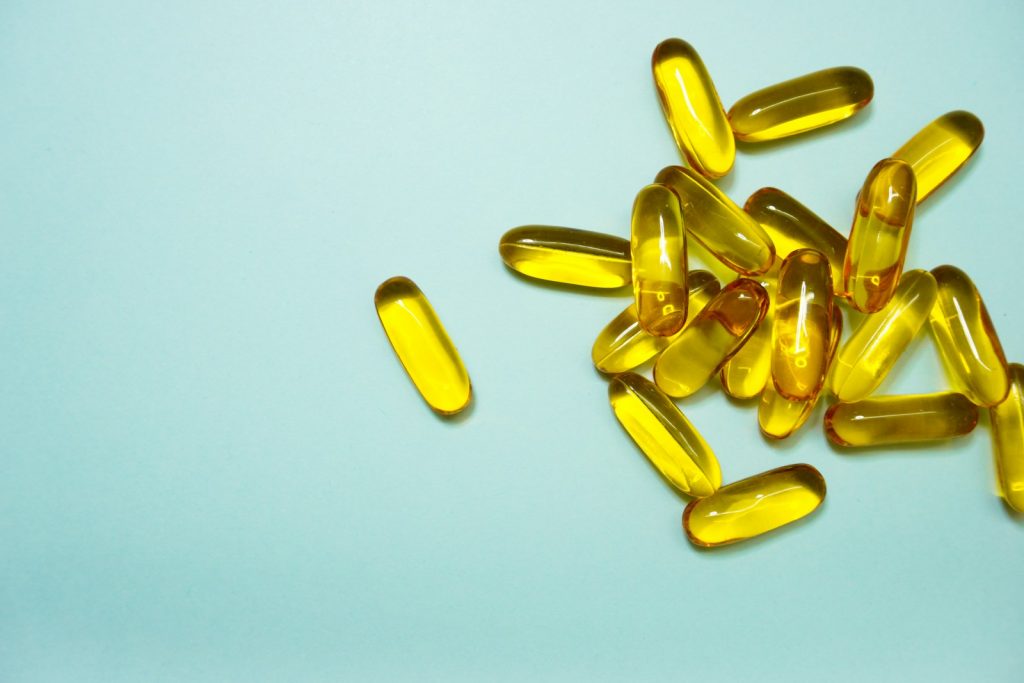
Omega-3 Fatty Acids
Omega-3 fatty acids are important for reducing inflammation and supporting heart health during perimenopause. For more essential information on vitamins and supplements, keep reading!
Benefits & Importance of Omega-3 Fatty Acids in Perimenopause
Omega-3 fatty acids combat depression and lower the risk of irregular heartbeats during perimenopause. They offer neuroprotective benefits and reduce blood levels of triglycerides, lowering the risk of heart disease.
Additionally, omega-3s may alleviate menopausal symptoms such as hot flashes and support cardiovascular health. These essential fatty acids can also prevent blood clots, providing crucial support for women in their 40s to maintain overall health.
Omega-3 fatty acids have anti-inflammatory action that reduces the risk of heart disease in perimenopausal women by preventing irregular heartbeats and minimizing the occurrence of blood clots.

Probiotics
Probiotics improve the balance of good bacteria in the gut. They may help manage digestive issues and support overall health during perimenopause.
Benefits & Importance of Probiotics in Perimenopause
Probiotics, often hailed as the “good bacteria,” play a multifaceted and indispensable role in promoting optimal health, particularly during the tumultuous phase of perimenopause. These beneficial microorganisms are instrumental in stabilizing moods and reducing inflammation, two key factors that can significantly impact the experience of menopausal symptoms. By modulating estrogen levels and fostering a balanced gut microbiota, probiotics exert a profound influence on overall well-being during this transitional period.
Furthermore, probiotics are essential supplements for managing menopausal symptoms, serving as foundational components in holistic approaches to women’s health during perimenopause. Their ability to promote a healthy gut environment can help alleviate symptoms such as hot flashes, mood swings, and digestive disturbances, offering much-needed relief to women navigating the ups and downs of hormonal fluctuations.
In addition to their direct effects on menopausal symptoms, probiotics also confer significant benefits for cardiovascular health.
Studies have shown that maintaining a healthy gut microbiota through probiotic supplementation can reduce the risk of heart disease in women over 45, highlighting the pivotal role of probiotics in supporting overall health during the menopausal transition.
However, it’s crucial to approach probiotic supplementation with caution and consult with a healthcare practitioner before initiating or adjusting dosage. This is particularly important for women considering increasing their probiotic intake, as individual health needs and medical history must be carefully considered to ensure safety and efficacy.
Additional Supplements for Perimenopause
For perimenopause, consider additional supplements like black cohosh, DIM, L-theanine, maca, and zinc. These supplements may help alleviate symptoms and support overall well-being during this phase. Speaking from personal experience: they are very powerful and should not be understated.
Black Cohosh
Black Cohosh, a perennial herb native to North America, has gained recognition for its potential to alleviate symptoms commonly associated with perimenopause.
This herbal remedy contains fukinolic acid, a compound that shares striking similarities to estrogen, making it particularly effective in addressing hormonal imbalances and mitigating symptoms like hot flashes.
By interacting with estrogen receptors in the body, Black Cohosh may help regulate fluctuating hormone levels, offering relief from the intense heat and discomfort often experienced during perimenopause. Moreover, Black Cohosh is frequently included alongside other supplements in holistic approaches to managing hormonal changes and symptoms associated with this transitional period.
Its versatility and effectiveness make it a cornerstone in natural remedies for perimenopausal women seeking relief from the challenges of this transformative phase of life. As always, it’s important to consult with a healthcare professional before incorporating Black Cohosh or any other supplement into your regimen to ensure its suitability for your individual needs and health status.
DIM
DIM, or diindolylmethane, is another fantastic supplement that can provide support for women during perimenopause. One common issue experienced during this stage is estrogen dominance, where declining estrogen levels are not balanced by sufficient progesterone levels. This imbalance can lead to symptoms such as hot flashes, night sweats, vaginal dryness, tender breasts, anxiety, and headaches. Estrogen dominance and low estrogen levels can share many of the same symptoms, making it important to address hormone balance carefully.
DIM can help by encouraging the production of beneficial estrogen metabolites while reducing harmful ones. This balanced approach may help prevent certain cancers associated with excess estrogen levels. Additionally, DIM has the added benefit of blocking the conversion of testosterone into estrogen. By preserving testosterone levels, DIM may support libido, strength, stamina, and overall well-being.
With its ability to maintain testosterone levels and regulate estrogen fluctuations, DIM offers relief from symptoms like hot flashes, insomnia, and mood changes, helping you feel better day-to-day. As always, it’s essential to discuss any supplement regimen with your healthcare provider to ensure it aligns with your individual needs and health history.
L-theanine
L-theanine, a natural compound found in tea leaves, is renowned for its remarkable calming and stress-reducing properties, making it an invaluable tool for managing the often tumultuous symptoms of perimenopause. As an amino acid, L-theanine has been extensively studied for its cognitive benefits, demonstrating improvements in attention, cognitive performance, and even neuroprotective effects, particularly in women navigating the perimenopausal and menopausal stages of life.
Emerging research suggests that L-theanine may play a pivotal role in mitigating the severity and frequency of hot flashes, a common and distressing symptom experienced during perimenopause. Furthermore, its influence on cardiovascular health is noteworthy, as studies indicate its potential to aid in managing high blood pressure, a prevalent concern for women transitioning through perimenopause.
Beyond its immediate symptom-relieving effects, L-theanine’s broader impact on brain health underscores its significance as a supplement for women in their 40s embarking on the menopausal journey. By offering a multifaceted approach to symptom management and promoting overall well-being, L-theanine emerges as a promising ally in navigating the complexities of perimenopause with grace and resilience.
Maca
Maca, an adaptogenic herb native to the Andes Mountains, offers a wealth of benefits for women navigating the perimenopausal journey. Known for its remarkable adaptogenic properties, maca has been cherished for centuries for its ability to help manage hot flashes and promote a healthy cortisol response during this transitional phase of life. Adaptogens like maca work to modulate the body’s stress response, helping to regulate hormone levels and mitigate the impact of stress on the body.
Beyond its adaptogenic qualities, maca is a nutritional powerhouse, boasting high levels of essential nutrients such as iron, potassium, and vitamin C. These nutrients play a crucial role in hormone balance, supporting the body’s natural processes and alleviating symptoms commonly associated with perimenopause. From mood swings to fatigue, maca’s nutrient-rich profile offers comprehensive support for women experiencing the ups and downs of hormonal fluctuations.
Furthermore, maca comes in various types, each offering unique benefits. Yellow maca, the most common variety, is prized for its ability to enhance energy levels and support mood balance. Red maca, known for its slightly sweeter flavor, has been linked to improved fertility and sexual function, making it particularly beneficial for women navigating reproductive challenges during perimenopause. Black maca, the rarest variety, is revered for its potent antioxidant properties and potential to enhance memory and cognitive function.
Incorporating maca into your diet can serve as a natural and holistic approach to alleviating the challenges of perimenopause while promoting overall well-being. Whether added to smoothies, baked goods, or simply sprinkled over oatmeal, maca offers a versatile and delicious way to support your health during this transformative phase of life.
Zinc
Zinc is essential for neurotransmitter synthesis, which can help alleviate symptoms of depression and anxiety during perimenopause. It also plays a role in supporting sexual health, making it an important mineral to consider.
Women aged 19 and above should aim for a daily intake of 8 mg/day of zinc, as it supports various bodily functions crucial during this stage. Additionally, zinc benefits women with PCOS by aiding thyroid hormone production and maintaining a healthy immune system while optimizing testosterone levels.
Women going through perimenopause may find zinc beneficial for its multifaceted contributions to their overall well-being. Whether it’s promoting mental health or sustaining hormonal balance, ensuring an adequate intake of this vital mineral could make a significant difference in managing the effects of perimenopause.
Conclusion
In perimenopause, essential vitamins and supplements play a crucial role. Fortifying your diet with vitamin D, magnesium, B vitamins, omega-3 fatty acids, and probiotics are key. These nutrients can help manage symptoms such as mood swings and bone health.
By incorporating these vitamins into your routine, you can enhance your overall well-being during this transitional phase. Explore further guidance from healthcare practitioners to optimize the benefits of these supplements.
Empower yourself with knowledge and support to navigate perimenopause with confidence!
Remember: Please consult with your doctor before committing to supplementation.