
Alcohol and Your Brain: Unveiling the Complex Impact
Introduction
Alcohol, a ubiquitous presence in social settings, transcends its role as a beverage, influencing the human brain profoundly. This exploration delves into the immediate and lasting consequences of alcohol on cognitive function, mental health, and overall well-being.
Our journey unravels the complex interplay between alcohol and cognition, examining its impact from the initial sip to the e aftermath. We explore the intricate mechanisms shaping cognitive responses.
This exploration extends beyond immediate effects, probing lasting consequences on mental health in a society where alcohol often accompanies socializing. We navigate the realms of mood, emotion, and mental resilience, uncovering how alcohol influences our psychological well-being.
This is not just an academic exercise; it’s a quest to understand alcohol’s holistic impact on our vital organ—the brain. Through insights that go beyond science, we aim to empower readers to navigate the intricate intersection of social dynamics and individual health.
As we unravel the narrative threads of alcohol’s interaction with the human brain, this journey invites contemplation of the profound relationship between our social rituals and the machinery of our minds.
Immediate Effects of Alcohol on the Brain
Alcohol Metabolism: Understanding the Science Behind It
Before we dive into how alcohol affects the brain, let’s break down the science of how our bodies process it. This breakdown is key to grasping the immediate effects on our thinking.
Here’s the gist: when you drink alcohol, your liver takes the lead in a process involving enzymes. First up is alcohol dehydrogenase, which transforms alcohol into a substance called acetaldehyde. Then, another enzyme, aldehyde dehydrogenase, steps in to convert acetaldehyde into acetate. These steps make up the basic stages of alcohol metabolism.
Now, why does this matter? Well, as acetaldehyde and acetate travel through your bloodstream, they mess with how neurotransmitters (the brain’s messengers) work and how brain cells communicate. This sets the stage for the changes in thinking and cognition that we often associate with drinking.
In this exploration, we’re focusing on the nuts and bolts of alcohol metabolism, giving you the lowdown on the scientific basics that precede and contribute to how alcohol impacts our thinking. Stick with us as we unravel these scientific details, shedding light on the steps that pave the way for the cognitive effects of alcohol in our bodies.
Neurotransmitter Turbulence: How Alcohol Affects Your Brain Chemistry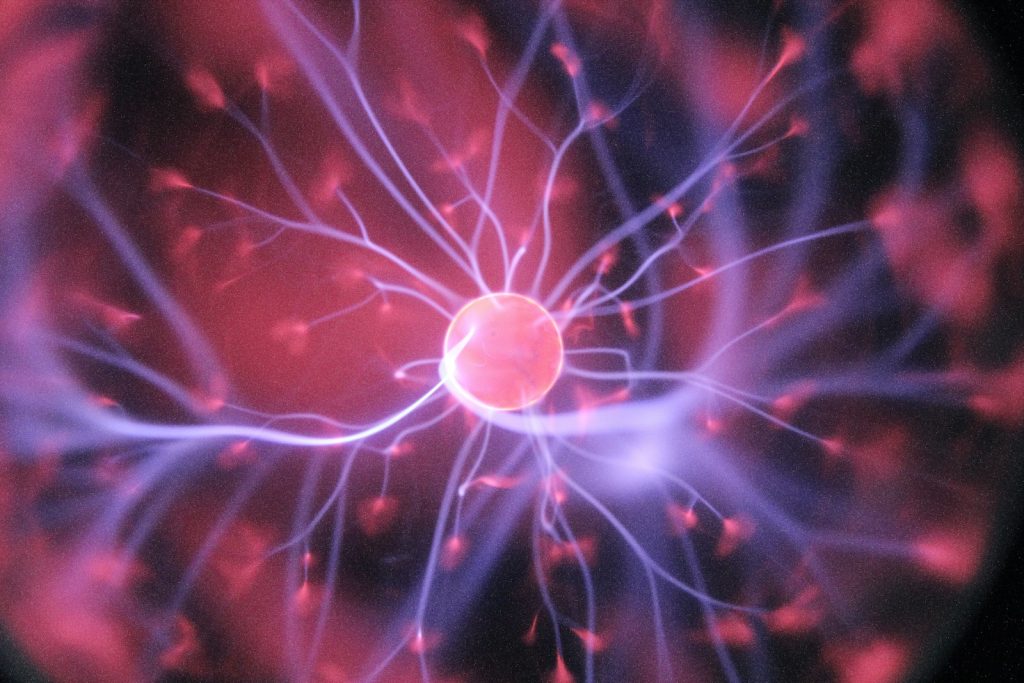
As alcohol makes its way into your system, it’s like a disruptor in the calm waters of neurotransmitters, those important brain messengers. In this section, we’re diving into the turbulence stirred up by alcohol, and how it swiftly affects your mood and thinking.
Here’s the breakdown: Alcohol doesn’t just hang out; it actively interferes with neurotransmitters. It messes with the levels of neurotransmitters like serotonin and dopamine, which play a big role in regulating mood. This interference can lead to that familiar feeling of relaxation or euphoria when you have a drink.
But there’s a flip side. As the alcohol influence wears off, neurotransmitter levels can swing the other way, potentially causing a dip in mood. It’s like a temporary rollercoaster ride for your brain chemistry.
Understanding this turbulence is key to appreciating why your mood might shift after a drink. Join us as we unravel the impact of alcohol on neurotransmitters, exploring the swift changes that happen in your brain and how they contribute to the complex interplay between alcohol and your mental state.
Cognitive Cloudiness and Decision-Making Fog: How Alcohol Affects Thinking
Moving beyond neurotransmitter disruptions, alcohol brings on cognitive fog, muddling our decision-making abilities. In this segment, we’ll explore how this haziness shows up and the potential consequences it brings. Stay with us as we unpack the impact of alcohol on thinking processes, shedding light on the fog that can descend on our decision-making skills.
Beyond just neurotransmitter shifts, alcohol introduces a fog that can impact decision-making. Picture this: you’re at a social gathering, enjoying the evening with a drink or two. Suddenly, the mental clarity seems to slip away, and decisions that would typically be straightforward become a bit more challenging. It’s the alcohol-induced fog that can leave you questioning choices and feeling a bit unclear-headed. Understanding how this mental haziness unfolds is crucial for those navigating the dynamic landscape of social events. Join us as we explore the nuances of cognitive cloudiness, shedding light on the decision-making challenges that can accompany that post-drink mental fog.
Long-Term Structural Changes
The Morphing Brain: Structural Transformations
Beneath the surface allure of alcohol lies a less-discussed reality – its capacity to induce lasting structural changes in the brain. While the immediate effects of alcohol on neurotransmitters and cognitive function are recognizable, chronic alcohol consumption can quietly instigate subtle yet profound alterations in the physical landscape of the brain.
Research has uncovered that prolonged alcohol intake can lead to a reduction in the size of certain brain regions, particularly the prefrontal cortex and hippocampus. These areas are vital for executive functions, memory, and learning. The morphological changes observed in these regions are associated with cognitive impairments, explaining the decision-making challenges and cognitive fog experienced, especially by those in their 40s.
Moreover, chronic alcohol use is implicated in the thinning of the corpus callosum, the bundle of nerve fibers connecting the brain’s hemispheres. This structural modification can impact communication between the two hemispheres, potentially contributing to coordination and processing deficits.
The brain’s white matter, responsible for transmitting signals between different brain regions, also undergoes alterations in response to prolonged alcohol exposure. These changes can disrupt the efficient flow of information, contributing to the cognitive cloudiness that individuals may perceive during and after drinking episodes. I have to admit I had my fair share of work days after some delicious bottle of wine the night before (I do live in Spain…) where there was no way I was getting any work done. For me personally, any day after more than 2 servings of alcohol is like a low-level, slow torture…I just want to be alone and do nothing. That’s my cloudiness…
It goes beyond the immediate effects on neurotransmitters and decision-making, delving into the lasting alterations that can shape cognitive function over time.
Neurotoxicity: Unseen Warfare Within
Beneath alcohol’s surface, a hidden battle unfolds in our brains—a quiet war led by neurotoxicity causing cellular damage. This secret struggle may not be visible, but its impact on our brain’s intricate pathways is significant. Neurotoxicity, like an unseen foe, slowly erodes the structure of our brain cells.
Unraveling the details of this hidden conflict reveals the harsh truth of cell deterioration. Alcohol’s toxic nature disrupts how cells work, harming their structure and making communication less effective. The consequences stretch beyond damaged cells, affecting the overall health of our brain.
Imagine this hidden battle like a series of falling dominoes, each one representing a different aspect of brain function. From messed-up signals between cells to problems with thinking, the effects are far-reaching. As we explore the twists and turns of neurotoxicity, it becomes clear that understanding and controlling this silent war is crucial. This highlights the importance of being aware and drinking responsibly to protect our resilient but delicate brains.
Precarious Roads to Neurodegeneration
Chronic alcohol abuse opens precarious roads, leading to an increased vulnerability to neurodegenerative diseases. Our exploration uncovers the scientific evidence underscoring this correlation and the ominous implications for long-term brain health.
Cognitive Impairment
Memory’s Ebb: The Price We Pay
Chronic alcohol consumption takes a significant toll on various memory processes, with both short-term and long-term memory adversely affected. The hippocampus, a crucial region for memory consolidation, is particularly vulnerable. Prolonged alcohol exposure disrupts the intricate balance of neurotransmitters in the hippocampus, impairing the formation of new memories and the retrieval of existing ones.
Studies reveal that chronic alcohol use is linked to a higher risk of developing conditions like Wernicke-Korsakoff syndrome, a severe memory disorder. This syndrome arises from thiamine deficiency, a common consequence of heavy alcohol consumption, and manifests as profound memory impairment, confusion, and disorientation.
Additionally, chronic alcohol abuse contributes to the atrophy of the amygdala, a region involved in emotional processing and memory. This atrophy can heighten emotional volatility and exacerbate memory deficits, further complicating the cognitive landscape. Women are particularly profoundly affected yet alcohol consumption by women has doubled in the past decade.
The toll on memory extends beyond specific brain regions; it permeates the intricate network of neural connections responsible for the seamless flow of information. Alcohol-induced disruptions in these connections contribute to memory lapses and cognitive decline, gradually eroding the foundation of cognitive function.
Understanding the price we pay for the ebbing of memory under the influence of alcohol is paramount. It’s not merely forgetfulness after a night of indulgence; it’s a sustained assault on the very core of cognitive capability.
Dementia’s Ominous Shadow: Unraveling Alcohol-Related Cognitive Decline
In the realm of alcohol-induced cognitive impairment, the specter of dementia looms ominously. This section delves into the intricate link between alcohol abuse and the emergence of alcohol-related dementia—a condition bearing far-reaching consequences.
Prolonged and excessive alcohol consumption significantly heightens the risk of developing alcohol-related dementia. The cumulative impact of chronic alcohol use can inflict irreparable damage on the brain, accelerating cognitive decline and increasing vulnerability to dementia.
Alcohol-related dementia is characterized by a range of cognitive deficits, including memory loss, impaired reasoning, and difficulties with judgment and problem-solving. This condition is often compounded by other neurological complications associated with alcohol abuse, exacerbating the severity of cognitive decline.
Moreover, the neurological changes induced by chronic alcohol consumption, such as brain atrophy and disruptions in neurotransmitter systems, contribute significantly to the onset and progression of dementia in affected individuals.
Understanding this link is imperative as it underscores the profound consequences of sustained alcohol abuse on cognitive health. Alcohol-related dementia represents a distressing manifestation of the long-term repercussions of excessive drinking (btw excessive drinking for women is more than 7 drinks a WEEK…), highlighting the imperative of fostering awareness and promoting responsible alcohol consumption.
 Psychological Effects
Mental Health’s Fragile Balance: Navigating Risks in Alcohol’s Wake
While alcohol is often perceived as a social lubricant, its impact on mental well-being is nuanced and significant. Prolonged and excessive alcohol use is intricately linked to an elevated susceptibility to mental health disorders, including anxiety and depression.
The chemical alterations induced by alcohol in the brain can disrupt the delicate balance of neurotransmitters, contributing to the development or exacerbation of mood disorders. For individuals already grappling with mental health challenges, alcohol can act as a catalyst, intensifying symptoms and impeding recovery. If you struggle with anxiety or high stress read more here.
Moreover, the interplay between alcohol and mental health extends to the realm of addiction. Those struggling with mental health disorders may turn to alcohol as a coping mechanism, unwittingly entwining themselves in a cycle that exacerbates both conditions. There are great solutions to all those issues and you can discover some here.
Understanding the fragility of mental health in the wake of alcohol consumption is paramount. This exploration sheds light on the heightened risks and interconnections between alcohol use and mental health disorders, emphasizing the importance of informed choices and fostering a culture of mental well-being.
Aggravating Shadows: Existing Conditions Intensified
For individuals with pre-existing mental health conditions such as anxiety or depression, alcohol can act as an inadvertent magnifier, amplifying the weight of their existing challenges. The chemical alterations induced by alcohol disrupt the intricate balance of neurotransmitters, exacerbating the symptoms of mental health disorders and heightening emotional turbulence.
Beyond the biochemical interplay, the coping mechanisms associated with alcohol can unwittingly deepen the entanglement of individuals in their mental health struggles. What may initially seem like a temporary reprieve can transform into a cycle that perpetuates and worsens existing conditions. Understanding that is crucial for fostering a holistic approach to mental well-being.
The Unsettling Correlation: Alcohol and Suicidal Tendencies
There is a disconcerting correlation emerges between alcohol consumption and an increased susceptibility to suicidal tendencies. Scientific evidence underscores the intricate relationship, highlighting the gravity of the issue.
Excessive alcohol use can act as a contributing factor to suicidal thoughts and behaviors. The physiological impact of alcohol on the brain, particularly its depressive effect on the central nervous system, can exacerbate feelings of hopelessness and despair. Moreover, alcohol’s interference with neurotransmitters, such as serotonin, which plays a crucial role in mood regulation, can contribute to the emotional turbulence that may precede depression and suicidal ideation.
The unsettling truth is that individuals struggling with alcohol use disorders are at a higher risk of suicide. Alcohol can impair judgment and lower inhibitions, potentially leading to impulsive actions. Additionally, the psychological burden of alcohol dependence, often accompanied by social isolation and strained relationships, further intensifies the vulnerability to suicidal tendencies.
Recognizing this correlation is pivotal for both individuals and healthcare professionals. It emphasizes the importance of integrating mental health support within alcohol intervention strategies. By addressing the interconnected challenges of alcohol misuse and suicidal tendencies, we can strive for a comprehensive approach that acknowledges the intricate interplay between substance use and mental well-being.
If you want to learn about and consider hypnosis to help you deal with depression and alcohol consumption continue here.
Conclusion
In conclusion, the tapestry of evidence unequivocally suggests that alcohol is not a benign companion; it is a silent assailant on the intricate workings of our brains. As we traverse the landscapes of immediate and long-term effects, the call to action resounds—awareness, responsibility, and a commitment to the well-being of our minds.
Curious to experience the transformative effects of RTT Hypnotherapy?
Get Access Now: mindshampoo.com
FAQs: Navigating the Complexities
1. Is moderate alcohol consumption safe for the brain?
While moderate alcohol consumption may not exhibit the same level of risk as chronic abuse, it’s crucial to be mindful of individual tolerance levels. Consultation with mindshampoo.com is recommended to understand personal risk factors.
2. Can the brain recover from the effects of alcohol?
The brain possesses a degree of resilience, and some functions can improve with abstinence. However, the extent of recovery varies based on factors such as duration and intensity of alcohol abuse.
3. Are there any benefits to alcohol consumption?
Some studies suggest potential cardiovascular benefits with moderate alcohol consumption. However, these potential benefits must be weighed against the risks, and individual health conditions should be considered.
4. How does alcohol impact sleep, and what role does it play in cognitive function?
Alcohol can disrupt sleep patterns, leading to impaired cognitive function. Understanding this relationship is essential for those seeking optimal brain health.
5. Are there any age-specific recommendations regarding alcohol consumption?
Age is a crucial factor in determining the impact of alcohol on the brain. You should never drink when below legal age, nor when pregnant as this has serious consequences for the developing brain.